Traveling soon? You're in the right place!
Beyond Machu Picchu: Unexpected Things to Do in Cusco, Peru
Discover Cusco beyond Machu Picchu—from boutique spas and adoptable cats to fascinating instruments, colorful cuisine, and hidden gems worth seeking out.
7/23/20266 min read
The Unexpected in Cusco, Peru
When most people think about visiting the Cusco region of Peru, one place immediately comes to mind: Machu Picchu.
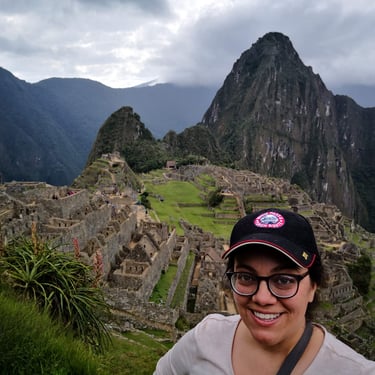
And to be clear, Machu Picchu deserves the attention. I visited it on my first trip to Peru eight years ago, along with the remarkable Inca site of Sacsayhuamán. I highly recommend both. I certainly would not have minded seeing Machu Picchu again on this trip.
But there are only so many hours in a day—and I needed to see Bolivia.
This trip to Cusco originally happened because of my day job: the work that actually pays me so that I can afford to do all this traveling for my AmberAnywhere gig. I was attending a professional conference, but naturally, I turned the work trip into much more.
Since I had already visited Cusco’s most famous attractions, I spent my limited free time searching for experiences that travelers might not notice without doing a little research. I found a boutique spa bargain, adoptable cats, unusual musical instruments, an excellent vegan restaurant, handcrafted coconut milk, and food so beautiful that I almost felt guilty eating it.
Almost.
The Boutique Spa Bargain I Would Choose Again
After trekking to Machu Picchu—or simply spending several days climbing Cusco’s steep streets—a spa treatment sounds pretty wonderful.
The luxurious Andes Spirit Spa at Palacio del Inka offers massages and access to an impressive thermal circuit with hydrotherapy and sauna facilities. It looks beautiful, but the price was approximately what I would expect to pay for a similar experience in the United States.
In other words, it may be luxurious, but it is not necessarily a Peruvian bargain.
Then I found Casa Cartagena Boutique Hotel & Spa.
Casa Cartagena offered a similar experience for approximately half the price. My visit included a wonderful massage, access to the hydrotherapy area and sauna, and plenty of time to relax.
The service was exceptional. As I rested near the pool, staff brought me hot tea. Afterward, I was able to use the lovely spa showers before returning to the outside world feeling like a new person—or at least a much less tense version of the same person.
Casa Cartagena felt intimate and peaceful rather than crowded or overly commercial. I highly recommend it, especially as a post-Machu Picchu treat. You do not necessarily need to spend U.S.-level prices to enjoy a luxurious spa day in Cusco.
A Lunch Discovery Led Me to Adoptable Cats
One afternoon, I was enjoying a delicious lunch at Sumac when I noticed something unexpected nearby:
A cat café.
Obviously, further investigation was required.
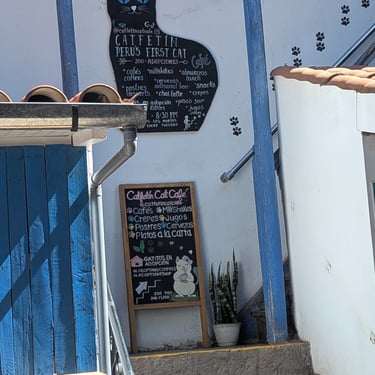
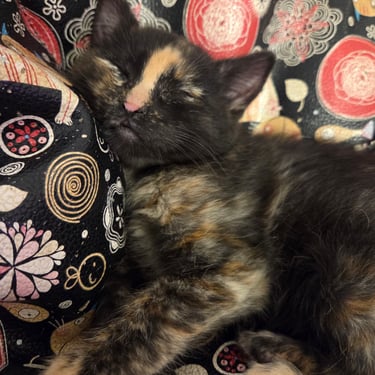
I told several colleagues from my conference about Catfetín Cat Café, and we arranged to meet there during some downtime. What a neat place!
Catfetín is not simply a café with a few resident cats. Everything is arranged so visitors can meet cats that are available for adoption and potentially begin the adoption process on the spot.
I was tempted—but only briefly.
My cat is an absolute sweetie with some people. Other cats are a different matter. He does not even like his own sister, so I knew arriving home with a surprise Peruvian sibling would not be appreciated.
Instead, I ordered a cookie and a pisco sour. Both were delicious, although that pisco sour was potent.
Consider yourself warned.
We spent a wonderful afternoon playing with the cats, taking pictures, and watching them climb, nap, and investigate their visitors. Even the dog person in our group had fun.
Catfetín is an excellent option when you have a few free hours, need a break from sightseeing, or simply want to support an organization doing something positive for Cusco’s cats.
The Free Walking Tour That Led to a Donkey’s Skull
As usual, I joined a free walking tour of Cusco.
Free walking tours are one of my favorite ways to explore a city. They help me understand what I am seeing, provide local context, and introduce me to places I might otherwise walk straight past.
This tour reminded me of the fascinating history of the Incas and the extraordinary strength of their construction. Throughout Cusco, carefully fitted Inca stonework remains standing beneath and alongside later colonial architecture.
The tour also included a viewpoint in San Blas, one of Cusco’s most atmospheric neighborhoods. Its steep streets require some effort—especially at Cusco’s altitude—but the views are worth it.
Take some time to wander around San Blas rather than only stopping for a photograph. It is filled with workshops, galleries, cafés, and small businesses that reward curious travelers.
My favorite discovery there was Luthier Sabino Huamán, a small musical-instrument workshop.
Inside, we learned about instruments from the pre-Inca period, the Inca era, and the centuries following the Spanish arrival. The experience demonstrated how musicians adapted available materials and used an astonishing amount of creativity to produce different sounds.
One instrument incorporated a donkey’s skull as percussion.
Another resembled a tea kettle but became a wind instrument partly because of the water contained inside it.
I would never have imagined looking at either object and thinking, “Yes, this should become a musical instrument.” Fortunately, people with much more ingenuity than I possess had exactly that thought.
It was fascinating—and one of the most memorable experiences of my return to Cusco.
Curious? Check out my post on Instagram!
Cusco Is Much More Than a Gateway
Machu Picchu may be the reason many people first travel to the Cusco region, and it remains one of the most extraordinary places I have visited.
But Cusco should not be treated merely as the airport you pass through on the way there.
Leave time for a spa treatment. Drink tea beside a hydrotherapy pool. Play with adoptable cats while cautiously sipping a powerful pisco sour. Wander through San Blas. Listen to instruments made from objects you never imagined could produce music. Visit Pisac. Drink coffee with freshly made coconut milk. Try vegan sushi, colorful smoothies, and queso helado.
The famous attractions are famous for a reason.
But sometimes the places you remember most are the ones you almost did not notice.
Take a Side Trip to Pisac
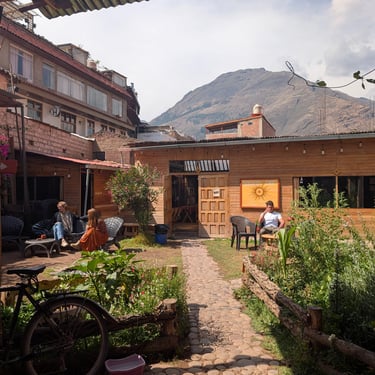
With enough time in the region, consider visiting the town of Pisac in the Sacred Valley.
Pisac is filled with small shops, narrow streets, and a large marketplace where you can browse clothing, textiles, jewelry, crafts, food, and plenty of potential souvenirs.
My favorite stop was SolSeed School & Café.
The coffee was excellent, but the coconut milk made it especially memorable. They make it by hand, and it was incredibly thick, rich, and delicious.
This was not the watery coconut beverage that sometimes gets passed off as milk. It felt like a treat all by itself.
Pisac is the kind of place where you can slow down, wander without a strict itinerary, shop, drink coffee, and enjoy a different side of the Cusco region.
Cusco’s Food: Much Improved!
Lima receives most of the international attention for Peru’s food scene. From everything I have read, it is now considered one of the world’s great culinary destinations.
But after this trip, I do not think Cusco can be very far behind.
When I visited eight years ago, I do not remember being particularly impressed by the food. This time, it was completely different. The meals were not only delicious; they were often beautifully presented.
Cusco’s restaurant scene appears to have undergone a major makeover.
One regional treat worth trying is queso helado. Despite the name, it is not cheese-flavored ice cream. It is a frozen dessert made with evaporated milk rather than cheese.
The name may confuse you, but the flavor should not.
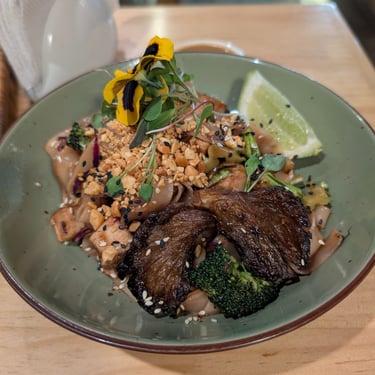
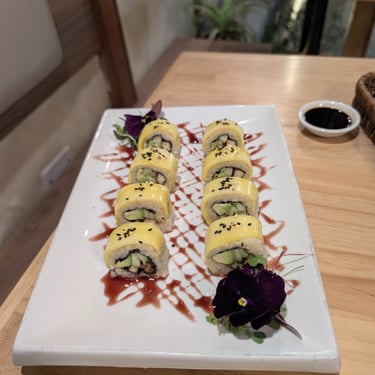
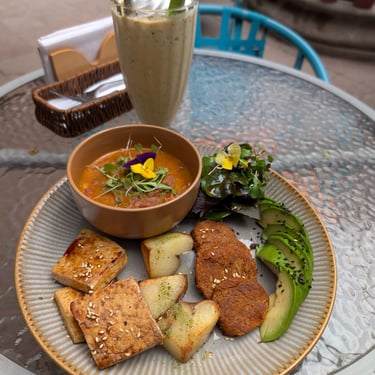
I also highly recommend Parada Vegana, whether you are vegan, vegetarian, or simply willing to consume a few fruits and vegetables during your vacation.
Their smoothies were divine. I also loved the sushi and the Pad Thai, and much to my delight, the Pad Thai had some heat to it. These are among the foods I still dream about after returning home.
You do not have to be vegan to appreciate flavorful, creative food—and Parada Vegana delivers plenty of both.
Cusco’s Altitude Is Not Something to “Power Through”
Now for the less glamorous but extremely important part of visiting Cusco: the altitude.
Do not mess around with it.
Before traveling, speak with your medical provider about whether you should bring preventive medication for altitude sickness as well as medication to take if you develop symptoms. Bring what your provider recommends with you rather than assuming you can find it after you become sick.
On this trip, I sometimes had to rest after walking for only ten minutes. I do not remember having that problem eight years ago, but several things were different.
First, I was eight years younger.
Second, my previous trip followed an itinerary that moved us upward more gradually. It was this Machu Picchu and the Galápagos trip with Overseas Adventure Travel, in case you are curious.
This time, my body made it very clear that it did not appreciate being transported quickly to such a high elevation.
Listen when your body tells you to stop. Rest. Hydrate. Avoid strenuous activity when you first arrive, and do not treat shortness of breath or severe symptoms as a personal challenge you must overcome.
There is no prize for pushing yourself until you become seriously ill.
Trust me.
You will find out exactly why in my upcoming blog about Bolivia.